
Hi, I’m Tami
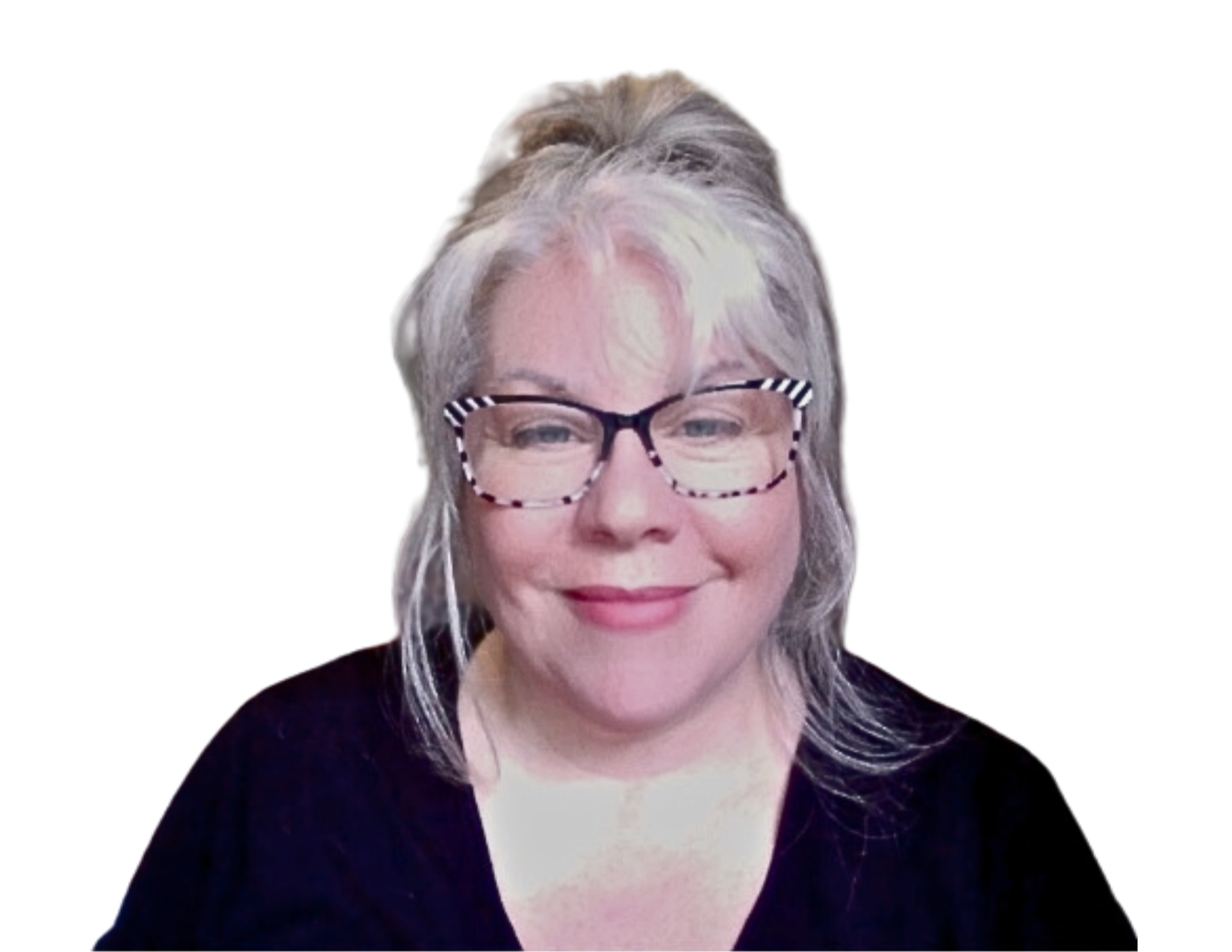
My Personal Journey
I didn’t arrive at this work through a single moment of insight or a linear healing journey.
For many years, I lived in a state of chronic dysregulation, and it affected every part of my life. I was high-functioning and over-achieving on the outside, but deeply strained from overwhelm on the inside. Long before things fully unraveled, I was already very good at ignoring my body’s cues and demanding more and more of myself. I kept going by pushing, performing, and overriding what my system was signalling — believing that more effort and more discipline were the answers.
They weren’t. They really weren't.
For a long while, everything just continued to become harder. I struggled to focus, felt constantly urgent and overwhelmed, and stopped handling life the way I used to.
I tried to educate my way out of it. Then I tried more effort, more discipline, and “doing all the right things.” Despite my determination, I got worse.
As prolonged stress and uncertainty increased in intensity and duration, I eventually entered a crisis-level spiral of dysregulation that became debilitating across every area of my life.
Even though I was well-versed, trained, and formally educated in mental health and wellness, I was profoundly ill-equipped to cope with a nervous system that had shifted into full-time survival mode.
What changed things wasn’t trying harder — it was learning how safety and survival mode actually work in the nervous system — and showing up with patience, consistency, and compassion instead of pressure and shame. That shift changed everything.
Understanding attachment patterns, neurodivergence, and nervous-system regulation fundamentally shifted how I understood my own experience and the experiences of people around me. I began to see how so much of the behaviour that gets labeled as “laziness,” “resistance,” or “self-sabotage” is actually the result of nervous systems adapting under conditions of uncertainty, pressure, or unmet needs.
My noticeable shift back toward regulation came when I stopped over-intellectualizing everything I was experiencing and began communicating with my body in the language it actually speaks. When I truly tuned in, it had a lot to say — and I learned how to listen with patience and compassion instead of urgency or judgement.
As I learned to work with my nervous system rather than against it, something quiet but profound happened:
Capacity returned — Focus returned — Choice returned.
Today, I’m regulated, steady, and resilient. My life didn’t magically become easier. All the things that pissed me off, still piss me off — I’m just no longer reacting to everything from urgency and activation. I’m responding from a calm, regulated state.
That lived experience isn't something I teach as a story — it’s something that informs how carefully, respectfully, and realistically I approach this work.
What I Know to Be True
People don't struggle because they’re weak, resistant, or doing life wrong.
Our nervous systems adapt intelligently to the conditions we’re given — and for some of us, under a perfect storm of ongoing stress, those adaptations can become persistent rather than temporary, as they were meant to be.
Once you’ve seen a nervous system struggle under impossible conditions — once you’ve seen effort without support, intelligence without accommodation, goodness without protection — it becomes impossible to fully believe the story that says:
“If they'd just tried harder, they’d be fine.”
That story becomes obscene.
This understanding changed how I relate to myself — and how I work with others.
The Lens I See Through
Much of my work has been shaped by witnessing how easily difference gets mislabeled as failure.
Learning about attachment, neurodivergence, and nervous-system regulation fundamentally altered how I understand behaviour — especially the quiet, unseen adaptations people make in order to belong, stay safe, or keep functioning.
Playing so many roles.
Wearing so many masks.
All in the name of connection and safety.
I’ve seen how chronic uncertainty, inconsistent safety, habitual self-abandonment, and unmet developmental needs can shape a nervous system long before anyone has words for it — and how quickly blame and shame rush in when explanation is missing.
When explanation arrives, something powerful happens:
self-judgment softens, and choice becomes possible again.
It's in that moment — when we realize that we didn't choose these adaptive coping mechanisms, but can choose self-compassion — that nearly all healing begins.

What I Do — And Why It Works
- This work is for people who want understanding and real, lasting change — not quick fixes.
- It’s for those who are tired of trying to force themselves to change, only to end up feeling worse.
- And for those who stopped trying altogether because forcing never worked.
- It’s also for people ready to stop abandoning themselves in the name of improvement.
My approach prioritizes safety, pacing, and compassionate accuracy over intensity or urgency.
We don’t chase calm, suppress activation, or override protective responses — because most people have already tried that, without relief.
We work with the nervous system rather than against it, restoring flexibility, responsiveness, and trust over time.
I don’t approach nervous-system work as something to exert willpower over or push through harder.
I approach it as something to understand — so we can stop blaming ourselves for physiological responses to stress signals.
I teach people to meet their nervous systems where they are, and to communicate with them in the only language nervous systems understand: sensory input.
My work is shaped by lived experience, formal training in clinical hypnosis, and extensive study in nervous-system regulation and trauma-informed practice — not as a story to perform, but as a reality that shaped how I see people, suffering, and change.
I don’t believe healing requires reliving trauma, pushing through resistance, or becoming someone different.
I believe it happens when the nervous system finally receives the conditions it needed all along.
A regulated system is not one that stays somewhere — it’s one that can go where it needs to, and come back.
That principle shapes everything I teach.

My Mission
My mission is simple, but not small.
I want to help end the blame and shame that so many people carry about their nervous systems and their very real struggles — especially those who are neurodivergent, trauma-exposed, or shaped by chronic stress and uncertainty.
My work is about restoring understanding, dignity, and choice.
Not by forcing change.
Not by overriding protective responses.
But by creating conditions where the nervous system can finally stand down, update, and regain flexibility.
When people stop treating themselves as the problem, meaningful change becomes possible.