WHEN YOUR SYSTEM IS STUCK IN SURVIVAL MODE
Once you understand what's happening, you can stop carrying blame that never belonged to you.
Nervous system dysregulation isn’t a mindset issue, a motivation problem, or a failure of coping skills.
It’s a physiological state — shaped by how the human nervous system responds to stress, threat, and uncertainty over time.
When survival mode doesn’t switch off, it isn’t because you’re doing life wrong.
It’s because your system adapted under conditions that required it to.
This page explains what’s happening inside your body — and why your experience is far more common, and far more logical, than most people realize.
What Your Nervous System Is Designed To Do
Your nervous system’s primary job is safety.
It constantly scans your internal and external environment for cues of threat or safety — adjusting heart rate, breathing, muscle tone, attention, digestion, and emotional response automatically.
This process happens before conscious thought.
Only when safety is present can the system reliably support:
-
focus and clarity
-
emotional flexibility
-
connection and presence
-
rest, repair, and recovery
When safety feels uncertain, the system shifts into protective responses.
This is not a choice — it’s biology.
Neuroception — How Safety and Threat Are Detected
Neuroception is the nervous system’s built-in, subconscious scanning process.
Without your awareness, it evaluates cues from your body, relationships, and environment and decides whether it’s safe to engage — or necessary to protect.
That instant body reaction before you’ve had time to think?
That’s neuroception.
It shapes how you feel, react, connect, and withdraw — long before logic has a chance to weigh in.
The Body’s Survival Responses / Protective States
When threat is sensed — physical, emotional, or relational — the nervous system organizes the body into protective states.
These aren’t disorders.
They’re biological strategies.
None of these states are meant to be permanent.
Hyper-Vigilance (High Activation)
-
persistent urgency or anxiety
-
racing thoughts, irritability, or reactivity
-
muscle tension, shallow breathing, restlessness
-
difficulty settling, even when nothing is “wrong”
Conservation (Low Activation)
-
exhaustion, numbness, or emotional flatness
-
difficulty initiating action
-
social withdrawal or disconnection
-
fogginess, heaviness, low energy
Engaged Response (Felt Safety)
-
presence and grounded attention
-
emotional flexibility
-
ease in connection and communication
-
capacity to learn, respond, and recover
This state doesn’t mean life is calm or stress-free.
It means your nervous system feels safe enough to engage.
How Survival Mode Becomes the Default
Survival responses are designed to be temporary.
They work best when stress is time-limited and followed by recovery.
But when stress is:
-
ongoing
-
unpredictable
-
relational
-
or repeatedly overwhelming
…the nervous system adapts.
It begins to treat survival mode as the safest baseline available.
Over time, even neutral or positive situations can trigger activation or shutdown — not because something is wrong with you, but because your system learned it couldn’t reliably stand down.
Why Insight and Effort Aren’t Enough
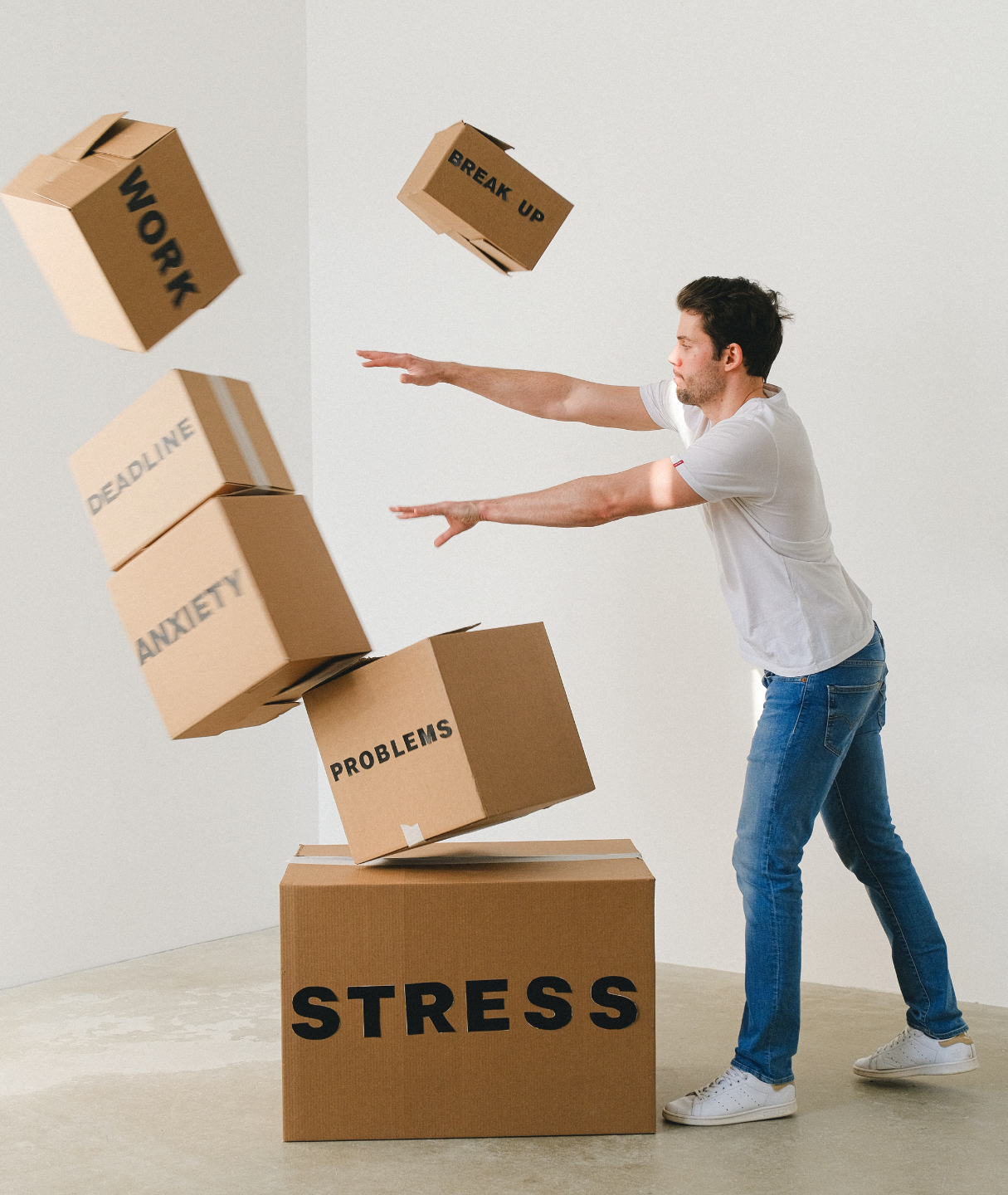
Many people try to think their way out of survival mode.
They analyze.
They understand.
They push harder.
But survival responses don’t originate in the thinking brain.
They’re generated in faster, older neural pathways designed for protection — not logic.
That’s why:
-
understanding doesn’t automatically create calm
-
willpower doesn’t settle the body
-
“knowing better” doesn’t stop the reaction
Regulation isn’t about convincing yourself you’re safe.
It’s about giving your nervous system felt evidence that safety is present.
Why Regulation Matters — Beyond Stress Relief
Dysregulation doesn’t just affect how you feel emotionally.
Over time, it affects how your entire body functions.
When the nervous system remains in a prolonged protective state, it continually signals “prepare for danger” — and that signal ripples through every major system.
Common impacts of prolonged activation include:
Endocrine strain
-
persistently elevated cortisol
-
disrupted sleep–wake rhythms
-
fatigue that doesn’t resolve with rest
Digestive disruption
-
slowed or impaired digestion
-
gut inflammation or sensitivity
-
reduced nutrient absorption
Immune and inflammatory load
-
increased pain and muscle tension
-
slower healing and recovery
-
greater susceptibility to illness
Reproductive and sexual health impacts
-
disrupted cycles or libido
-
difficulty with arousal or intimacy
-
the body prioritizing survival over reproduction
These aren’t malfunctions.
They’re intelligent reallocations of energy when safety feels uncertain.
The issue isn’t the response —
it’s when the system never receives the signal to stand down.
What Often Shifts as Regulation Returns
As the nervous system begins to experience safety — even gradually — people often notice changes that go beyond feeling “less stressed.”
Common shifts include:
-
less urgency and reactivity
-
more space before responding
-
steadier energy across the day
-
rest feeling safer and more restorative
-
reduced muscle tension and pain
-
faster recovery after stress
-
clearer thinking without forcing
-
a growing sense of internal steadiness
These changes don’t happen because you’re trying harder —
they emerge when the nervous system no longer needs to stay in constant protection mode.

What Regulation Actually Means
Regulation isn’t a calm state you achieve and maintain.
A regulated system is one that can:
-
mobilize when action is needed
-
conserve when rest is protective
-
engage when connection and learning are possible
—and return when it’s safe to do so
There is no preferred destination.
There is only flexibility and recovery.
Regulation isn’t about suppressing activation or chasing calm.
It’s about restoring trust in your system’s ability to respond — and come back.
Where This Leaves You
If your system has been stuck in survival mode, it isn’t because you failed.
It’s because your nervous system adapted under conditions that required it.
With the right conditions — safety, pacing, and support — that adaptation can update.
Nothing here requires forcing, fixing, or becoming someone different.
The work begins by noticing — and by stopping the habit of turning your own responses into evidence against you.
From that place, choice gradually returns.
And with it, the possibility of steadiness.
If this felt familiar, you’re not imagining things — and you're not alone.
Your nervous system adapted for a reason.
Understanding that changes how you relate to yourself — and opens the door to steadiness over time.